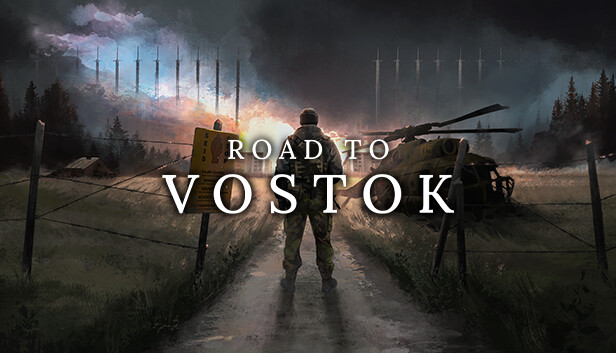
Road to Vostok is a hardcore single-player survival game set along a post-collapse Finland–Russia border. You loot, plan, upgrade your shelter, and eventually push eastward into higher-risk territory. This article orients new players: what the world is, how difficulty layers stack, and which pages on this guide pair well with the official site and Steam.
Core fantasy: survival, not a score chase
The game is built as a sandbox: there is no scripted “you won” screen. Runs stay replayable through dynamic weather, day and night, seasonal shifts, and randomized events—so two playthroughs rarely feel identical. Combat leans toward realistic FPS handling (magazines, chamber states, deliberate reloads) and physics-based loot, which makes inventory and stash discipline part of the skill curve.
The three geography layers you should memorize
Public marketing and in-game flow organize the world into three conceptual bands. Names and tuning can change by build; always verify details in your installed client and patch notes.
- Area 05 — An evacuated zone in southeastern Finland where you learn shelters, traders, tasks, and baseline loot. Hostile Bandits interrupt the calm: good place to practice gunplay and route planning before you gamble everything on a border run.
- Border Zone — A guarded frontier between Finland and Russia. Crossings vary by map: mines, physical obstacles, or water routes with boats. The Guards faction is armed, corrupt in tone, and can bring air support—treat every crossing as recon first, sprint never.
- Vostok — Russian interior space described as high risk, high reward. The headline rule: Vostok maps are permadeath zones. If you die in Area 05 or the Border Zone you typically lose what you carried; if you die in Vostok you can lose far more. The Military faction fields heavy weapons and vehicles—endgame pressure, not a tutorial playground.
Systems that define the “Road to Vostok” loop
- Shelter customization — Your hideout anchors saves and long-term progression; don’t roam without a plan to return.
- Trading & tasks — Economy and barter unlock gear routes; expect differences between public demo and Early Access builds.
- Travel between maps — Progression is not a single flat open world; you move map-to-map with intent.
- Factions & AI — Bandits, Guards, Military (and more over time) create overlapping threats—not a lone-wolf shooting gallery.
Who this game is for (and not for)
If you want a forgiving looter-shooter or mandatory co-op, marketing copy consistently positions Road to Vostok as a solo-first experience. Multiplayer is not the current pitch; mods and deeper tooling are described as longer-horizon goals. Check the developer FAQ before you buy based on rumors.
Where to go next on this guide
Use the sections below for structured lookups. For purchase dates, pricing, and feature lists, confirm on roadtovostok.com and Steam.
- Start — Demo vs Early Access expectations, PC requirements, and onboarding checklists.
- Wiki index — Weapons, survival, traders, and map pillars with cross-linked dossiers.
- Updates — Roadmap context and links to first-party news.
- World map — Geography literacy with pins tied to wiki entries.
Quick safety checklist before you push east
- Know your build string (Steam library → properties) before trusting any guide screenshot.
- Carry a loss budget: meds, mines, and exit plans matter more than “best in slot” fantasies.
- Assume Vostok can erase a run’s stakes—go when you are ready, not when chat is loud.
Game content and trademarks belong to Road to Vostok Ltd. This post is commentary and orientation for players; it is not sponsored or reviewed by the developer.